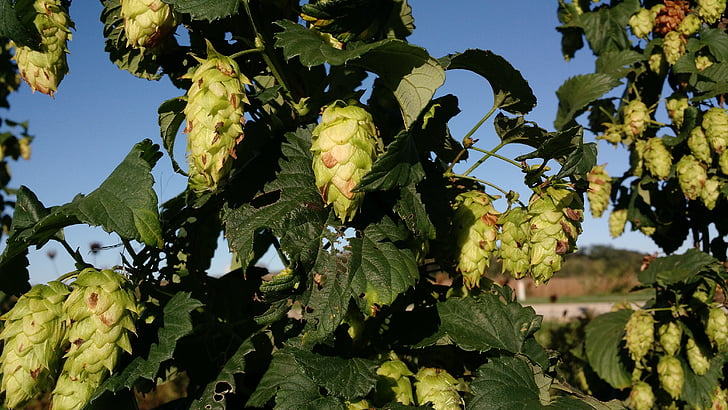
Growing and Harvesting Hops: A Beginner's Guide to Brewing Better Beer
The Importance of Hops in Beer Brewing
Beer making has been around for centuries and its popularity continues to grow. One of the key ingredients in beer brewing is hops. Hops add bitterness and flavor to the beer, as well as help to preserve it.
Many beer enthusiasts are interested in growing their own hops, but may not know where to start. That's where this beginner's guide to growing and harvesting hops comes in. With step-by-step instructions and helpful tips, beer lovers can learn the ins and outs of hops cultivation and take their home brewing to the next level.
Getting Started with Hop Cultivation
Before diving into hop cultivation, there are a few key things to consider. Factors such as climate, soil type, and available space can all impact the success of a hop garden. This guide will address common challenges and offer recommendations to help ensure a successful harvest.
Whether you are a seasoned home brewer or just getting started, growing your own hops can be a rewarding and satisfying experience.
Growing and Harvesting Hops: A Beginner's Guide to Brewing Better Beer
The Importance of Hops in Beer Brewing
Beer making has been around for centuries and its popularity continues to grow. One of the key ingredients in beer brewing is hops. Hops add bitterness and flavor to the beer, as well as help to preserve it.
Many beer enthusiasts are interested in growing their own hops, but may not know where to start. That's where this beginner's guide to growing and harvesting hops comes in. With step-by-step instructions and helpful tips, beer lovers can learn the ins and outs of hops cultivation and take their home brewing to the next level.
Factors Affecting Hop Cultivation
Growing hops is not as simple as planting the seeds. There are several factors that can affect the growth of the hop plant and ultimately the quality of the hops produced. The first factor to consider is the climate of the area where the hops are to be grown. Ideally, hops grow well in areas where temperatures are warm but not too hot, and rainfall is adequate throughout the growing season.
Another important factor to consider is soil type. Hops require well-drained soil that’s rich in organic matter such as compost. The soil should also be slightly acidic, with a pH between 6 and 7. In areas with high clay content, it may be necessary to amend the soil with sand or perlite for better drainage. With the right conditions, the hop plant can reach up to 25 feet high and can also provide a beautiful shade for the garden.
Growing and Harvesting Hops: A Beginner's Guide to Brewing Better Beer
The Importance of Hops in Beer Brewing
Beer making has been around for centuries and its popularity continues to grow. One of the key ingredients in beer brewing is hops. Hops add bitterness and flavor to the beer, as well as help to preserve it.
Harvesting and Storing Hops
Once the hops have matured and are ready for harvest, it's important to pick them at the right time. Hops are typically ready for harvest in late summer or early fall, when the cones are dry and slightly papery to the touch.
To harvest the hops, simply cut the bines at the base and carefully lower them to the ground. The cones can then be plucked off by hand or with a specialized harvesting machine. After harvesting, it's important to dry the hops thoroughly to prevent mold and other issues. This can be done on a screen or in a dehydrator.
Proper storage of hops is also crucial for maintaining their quality. Hops should be stored in a cool, dry place away from light and sealed in an airtight container. Stored properly, hops can last for up to a year or more, providing ample time for beer enthusiasts to experiment with different brewing methods and recipes.
Growing and Harvesting Hops: A Beginner's Guide to Brewing Better Beer
The Importance of Hops in Beer Brewing
Beer making has been around for centuries and its popularity continues to grow. One of the key ingredients in beer brewing is hops. Hops add bitterness and flavor to the beer, as well as help to preserve it.
Using Homegrown Hops in Beer Brewing
Using homegrown hops can elevate the flavor and aroma of home brews, providing a unique flavor profile that can't be found in commercial beers. However, it's important to remember that different hops varieties have different flavor profiles, so it's important to choose the right hops for a given recipe.
Homegrown hops also need to be properly prepared before they can be used in beer brewing. This involves drying, processing, and storing the hops. Depending on the recipe, the hops may also need to be pelletized or turned into an extract before they can be added to the beer.
Overall, growing and harvesting hops can be a fun and rewarding hobby for beer enthusiasts, giving them not only a deeper appreciation for the brewing process, but also the opportunity to create unique, personalized beers with their own homegrown hops.
Growing and Harvesting Hops: A Beginner's Guide to Brewing Better Beer
The Importance of Hops in Beer Brewing
Beer making has been around for centuries and its popularity continues to grow. One of the key ingredients in beer brewing is hops. Hops add bitterness and flavor to the beer, as well as help to preserve it.
The Sustainability of Homegrown Hops
Growing hops at home can also have environmental benefits. Commercial hops farming often involves the use of pesticides and irrigation methods that can be harmful to the local ecosystem, while homegrown hops can eliminate the need for such practices.
Additionally, the use of locally grown hops can also reduce the carbon footprint of beer production, as hops transportation can contribute significantly to the overall emissions associated with brewing. With homegrown hops, beer enthusiasts can create a sustainable, environmentally-friendly brewing process, while also enjoying the unique flavors and aromas that come with using their own homegrown hops.
Growing and Harvesting Hops: A Beginner's Guide to Brewing Better Beer
The Importance of Hops in Beer Brewing
Beer making has been around for centuries and its popularity continues to grow. One of the key ingredients in beer brewing is hops. Hops add bitterness and flavor to the beer, as well as help to preserve it.
Final Notes
- Climate and soil type are crucial factors for successful hops cultivation.
- Hops should be harvested at the right time and stored properly to maintain their quality.
- Homegrown hops can add unique flavors and aromas to home brews and can be used to create a sustainable, environmentally-friendly brewing process.
Overall, growing and harvesting hops can be a rewarding and educational experience for anyone interested in home brewing. With the right knowledge and tools, beer lovers can create unique recipes and flavor profiles that can't be found in commercial beers. Additionally, the use of homegrown hops can contribute to a more sustainable and environmentally-friendly brewing process.
So, whether you're a seasoned home brewer or just starting out, give hop cultivation a try and see how it can take your home brewing to the next level.
Growing and Harvesting Hops: A Beginner's Guide to Brewing Better Beer
References:
- Haunold, A. (2012). Hop Production: A Comprehensive Guidebook for Farmers, Brewers, and Hobbyists. Chelsea Green Publishing. https://www.chelseagreen.com/product/hop-production/
- Neimann, S. (2019, August 6). How to Grow Hops at Home and Why You Should. Gardenista. https://www.gardenista.com/posts/how-to-grow-hops-at-home/
- Wolfe, J. (2015, August 10). 12 Tips for Growing Hops. The Old Farmer's Almanac. https://www.almanac.com/blog/gardening/gardening/12-tips-growing-hops
These references provide valuable information for anyone interested in growing and harvesting hops for beer brewing. Haunold's book is a comprehensive guide that covers everything from site selection and preparation to harvest and cultivation, making it ideal for farmers, brewers, and hobbyists alike. Neimann's article provides practical tips for growing hops at home and outlines the benefits of using homegrown hops in beer brewing. Finally, Wolfe's article offers 12 useful tips for growing hops and ensuring a successful harvest.
Additional References: How to grow and harvest hops for beer

Social Plugin